Exercise Is Medicine: The Future of Health Begins with Movement
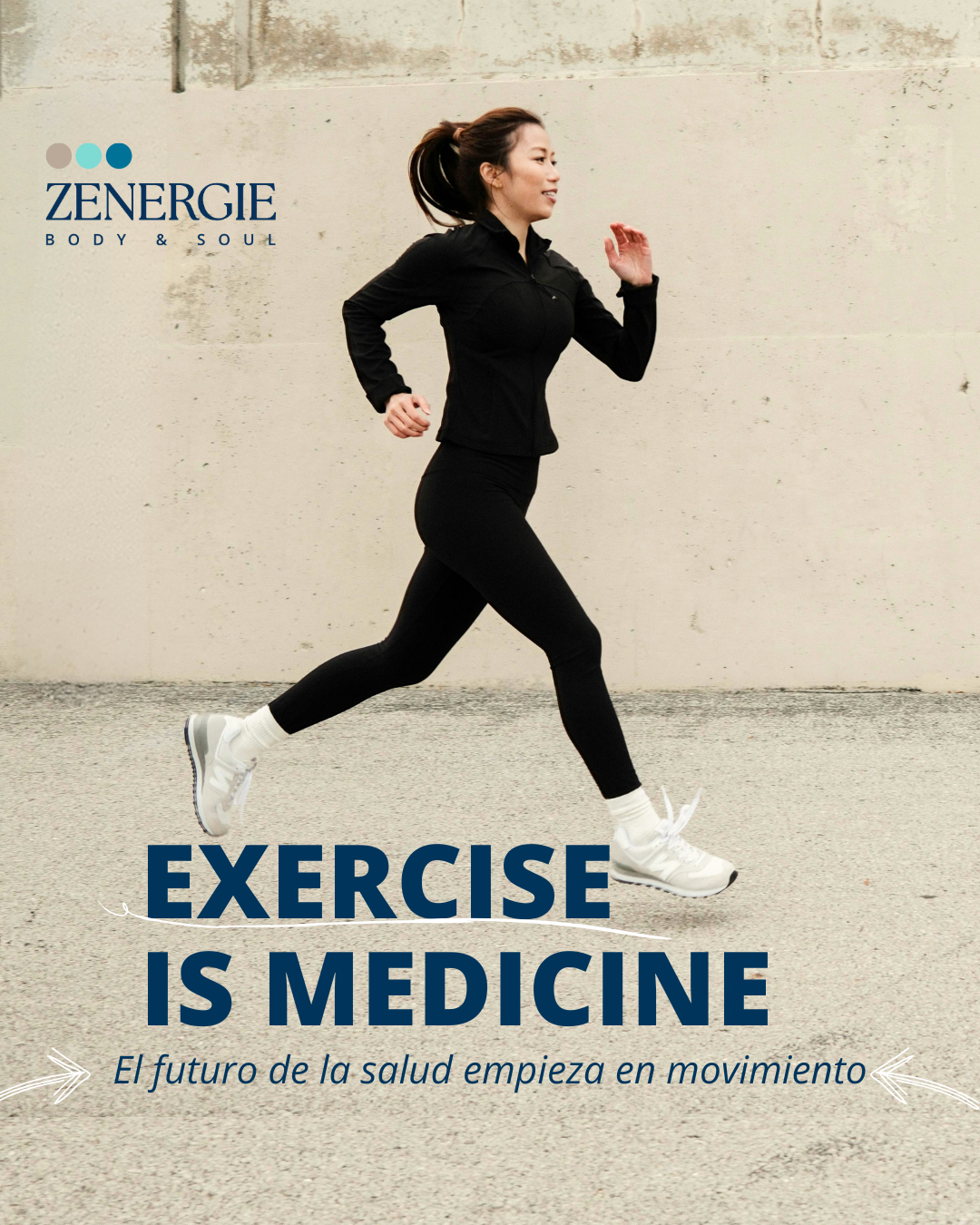
The future of healthcare is no longer focused only on treating disease after it appears.
It is increasingly focused on prevention.
This shift reflects a broader understanding of health: many of the conditions that affect quality of life are influenced not only by medical treatment, but also by movement, strength, mobility, sleep, stress and everyday habits.
Catalonia has taken an important step in this direction by introducing physical exercise as a therapeutic tool that primary care doctors can recommend to improve health and combat sedentary lifestyles.
This initiative reinforces a principle that has been gaining recognition across healthcare and wellness:
Exercise is medicine.
Movement is not simply a recreational activity or a way to change physical appearance. It is one of the most accessible tools available for supporting physical health, mental well-being and active longevity.
From Treating Disease to Protecting Health
Traditional healthcare has often been reactive.
A symptom appears, a diagnosis is made and treatment begins. This model remains essential, but it is not enough on its own.
Prevention asks a different question.
Instead of waiting for health to decline, how can we create the conditions that help people remain strong, capable and independent for longer?
Regular physical activity is a fundamental part of that answer.
Exercise can support cardiovascular health, help regulate blood sugar, preserve muscle mass and improve mobility. It can also reduce stress, support sleep and contribute to better emotional well-being.
These benefits make movement relevant long before illness develops.
Exercise becomes a way to build resilience and protect future quality of life.
Why Sedentary Lifestyles Matter
Modern life has made movement less necessary.
Many people spend long hours sitting at work, travelling by car or using digital devices. Daily tasks that once required physical effort have become increasingly automated.
The result is that inactivity can become the default without people consciously choosing it.
A sedentary lifestyle affects more than fitness.
Over time, it can contribute to declining strength, reduced mobility and poorer metabolic health. It can also make everyday activities feel more demanding and increase the difficulty of returning to exercise.
This creates a negative cycle.
The less the body moves, the harder movement may begin to feel. As movement becomes more difficult, people may become even less active.
Breaking this cycle requires more than telling people that they should exercise.
They need clear guidance, appropriate programmes and environments that make movement feel accessible and sustainable.
Exercise as a Therapeutic Tool
When exercise is prescribed or recommended within healthcare, it sends an important message.
Movement is not optional decoration around health.
It is part of health itself.
A well-designed exercise programme can support people with different needs and starting points. It can be adapted for someone managing a chronic condition, recovering from inactivity or trying to protect their long-term health.
The most appropriate type of exercise will depend on the individual.
Some people may benefit from walking and gentle mobility work. Others may need structured strength training, cardiovascular activity or balance exercises.
The essential point is that exercise should be purposeful, personalised and consistent.
It is not about pushing every person into the same routine.
It is about using movement intelligently to support health.
Cardiovascular Health
Regular physical activity supports the heart and circulatory system.
Walking, cycling, swimming and other aerobic activities can improve endurance and help the body perform everyday tasks with less effort.
Exercise also supports blood pressure regulation and cardiovascular efficiency.
This does not mean that everyone needs to complete intense training sessions.
Moderate activity performed regularly can create meaningful benefits. For many people, a daily walk is an effective and realistic starting point.
The best cardiovascular programme is one that matches the person’s ability and can be maintained over time.
Consistency matters more than occasional intensity.
Exercise and Metabolic Health
Movement also plays a central role in metabolism.
Muscles use glucose for energy, which helps the body regulate blood sugar. Regular physical activity can support insulin sensitivity and improve how energy is processed.
Strength training is especially relevant because muscle is metabolically active tissue.
Maintaining muscle helps the body manage glucose more efficiently and supports a healthier body composition.
As muscle mass declines, metabolic health can also become more difficult to maintain.
This is why exercise is important not only for people who want to lose weight.
It is a preventive tool for supporting the systems that regulate energy and long-term health.
Preserving Muscle and Strength
Muscle is one of the most important resources for healthy ageing.
It supports movement, balance, posture and the ability to perform daily tasks independently.
From early adulthood onward, muscle mass may gradually decline if it is not actively maintained. This process can become more significant with age and prolonged inactivity.
Strength training helps counter that decline.
The goal is not necessarily to lift heavy weights or develop an athletic physique.
The goal is to maintain the physical capacity required for life.
Standing up from a chair, carrying shopping, climbing stairs and recovering from illness all depend on strength.
Preserving muscle is therefore a central part of active longevity.
Mobility and Independence
Health is not measured only through laboratory results.
It is also reflected in what a person can do.
Can they walk comfortably? Can they move through their home safely? Can they bend, reach and maintain balance?
Mobility directly influences independence.
When movement becomes limited, people may begin avoiding activities, social situations or places that feel physically difficult.
This can gradually reduce quality of life.
Exercise that includes mobility, balance and coordination helps protect confidence in movement.
It allows people to continue participating in the activities and relationships that give their lives meaning.
The purpose of exercise is not only to improve performance.
It is to preserve freedom.
Mental Health and Emotional Well-Being
The benefits of movement are not limited to the body.
Physical activity can support mood, reduce stress and help manage feelings of anxiety.
Exercise provides a structured break from daily pressure. It creates an opportunity to focus on breathing, movement and the present moment.
It can also improve sleep and increase the sense of accomplishment that comes from completing a meaningful activity.
For some people, group exercise provides an additional benefit: connection.
Moving with others can reduce isolation and create a sense of belonging.
Mental and physical health are deeply connected, which is why a complete approach to wellness should support both.
Movement as a Response to Stress
Stress is a normal part of life, but chronic stress can affect sleep, energy, recovery and emotional balance.
Exercise can help the body process this tension.
Walking, strength training, yoga and mindful movement each offer different ways to respond to stress.
The objective is not always to train harder.
Sometimes the most valuable movement is slower and more restorative.
Breathing exercises, gentle stretching and mobility sessions can help reduce physical tension and create a sense of calm.
This is why exercise should not be understood as a single type of activity.
It is a broad therapeutic resource that can be adapted to what the body and mind need.
Prevention Requires Personalisation
A general recommendation to “exercise more” is rarely enough.
People need to understand what kind of movement is appropriate, how often to practise it and how to progress safely.
Someone with limited mobility will need a different programme from an experienced athlete.
A person returning after illness may require more support and a slower progression. Someone managing pain may need exercises adapted to their condition.
Personalisation creates confidence.
It helps people feel that exercise is possible and relevant to them.
This is especially important for adults who have never felt comfortable in traditional gyms.
A preventive model must meet people where they are rather than expecting everyone to fit the same fitness culture.
The Role of Healthcare Professionals
Healthcare professionals can play an important role in making movement part of everyday health.
When a doctor recommends exercise, the advice carries authority and purpose.
It helps patients understand that physical activity is not simply a lifestyle preference.
It is relevant to their health.
However, effective exercise prescription also requires collaboration.
Medical professionals can identify health needs and limitations, while qualified exercise specialists can design and supervise appropriate programmes.
This connection between healthcare and fitness creates an opportunity for a more integrated approach.
Rather than operating as separate worlds, the two sectors can work together to help people move safely and consistently.
The Fitness Industry Must Evolve
If exercise is increasingly recognised as medicine, the fitness industry must be prepared to serve a broader audience.
Traditional gyms have often focused on aesthetics, performance and already active consumers.
Preventive fitness requires a different model.
It must be welcoming to beginners and relevant to older adults. It must provide guidance and personalisation. It must communicate through health, strength and quality of life rather than only physical transformation.
This is a significant opportunity.
Many people care about their health but do not identify with conventional gyms.
A more human and preventive experience can help bring these people into regular movement.
Beyond the Traditional Gym
The future of fitness is not simply about adding more equipment or opening larger facilities.
It is about creating spaces that support long-term well-being.
These environments should help people understand their bodies, develop strength and build sustainable habits.
They should also reduce intimidation.
A person entering a fitness space should feel supported, not judged. They should know where to begin and understand why each part of the programme matters.
This creates a fundamentally different relationship with exercise.
Movement becomes something people use to protect their future, not something they endure for a temporary result.
Exercise and Active Longevity
Longevity is often defined as living more years.
Active longevity goes further.
It means maintaining health, mobility, energy and social participation throughout those years.
Exercise is one of the foundations of this process.
Strength training protects muscle. Cardiovascular activity supports endurance. Mobility work helps preserve comfortable movement.
Mindfulness and recovery support emotional balance, while community encourages consistency.
Together, these elements help people remain engaged in life.
The objective is not simply to avoid disease.
It is to preserve capability and quality of life.
Consistency Over Perfection
Exercise does not need to be extreme to be effective.
The greatest benefits often come from habits that can be maintained.
A short daily walk, two or three strength sessions each week and regular mobility work can form a powerful foundation.
The routine should be realistic enough to continue during busy periods and adaptable enough to change with age or health needs.
Perfection is not required.
Consistency is.
A sustainable programme performed regularly is more valuable than an ambitious routine that is quickly abandoned.
Small Steps Can Create Long-Term Change
Beginning an exercise routine can feel overwhelming, especially for someone who has been inactive.
The first step should be manageable.
Ten minutes of walking is still movement. A short mobility session still matters. Learning one strength exercise correctly can be the beginning of a larger change.
Progress does not need to happen immediately.
The body responds to repeated effort over time.
Starting small can also reduce fear and make the process feel more achievable.
The objective is to create momentum.
Once movement becomes part of daily life, it becomes easier to build on it.
The Importance of Strength Training for All Ages
Strength training should not be limited to younger people or athletes.
It becomes increasingly important with age.
Preserving muscle supports balance, metabolism and joint stability. It also creates physical reserve for periods of illness or reduced activity.
Strength exercises can be adapted to almost any level.
They may involve machines, resistance bands, body weight or controlled movements using light weights.
The important factor is progressive resistance.
Muscles need a reason to adapt.
With appropriate guidance, strength training can be safe, accessible and highly relevant to long-term health.
Recovery Is Also Part of Health
A complete movement programme must include recovery.
Exercise creates a stimulus, but adaptation occurs when the body is allowed to recover.
Sleep, nutrition and rest all contribute to this process.
Training without adequate recovery can lead to fatigue and reduce consistency.
A preventive approach does not treat exhaustion as success.
It aims to make the body stronger and more resilient over time.
This means balancing effort with restoration.
Recovery is not separate from exercise.
It is part of the same health strategy.
Community Supports Better Habits
People are more likely to maintain a routine when they feel connected.
A supportive community provides encouragement, accountability and shared motivation.
This can be especially valuable for people beginning exercise for the first time.
Knowing that others are expecting them can make attendance easier. Seeing different ages and abilities represented can reduce intimidation.
Community also transforms exercise into a social experience.
This supports mental well-being while making movement more enjoyable.
The strongest preventive fitness models will therefore build relationships, not only programmes.
Zenergie Body & Soul: A Preventive Vision of Fitness
At Zenergie Body & Soul, we believe that fitness must evolve beyond short-term physical results.
Our approach is based on a more human and preventive understanding of well-being.
Strength is used to protect independence. Mindful movement supports mental balance. Personalisation helps each person train according to their needs.
Community creates a space where people feel supported and motivated.
The objective is not simply to help people exercise more.
It is to help them live better.
This vision aligns with the growing recognition that movement is an essential part of preventive health.
A New Relationship Between Fitness and Medicine
The idea that doctors can recommend physical exercise represents an important cultural change.
It brings healthcare and movement closer together.
In the future, fitness professionals may play a more active role in preventive health, working alongside medical teams and supporting people between clinical appointments.
Exercise spaces may become places where people build health rather than simply train.
This does not replace medicine.
It complements it.
Medication, medical treatment and professional care remain essential. But movement can support these interventions and help address some of the lifestyle factors that influence health.
The strongest future model will combine clinical knowledge with practical, accessible exercise.
The Economic Opportunity Behind Prevention
The shift toward preventive health also creates a significant business opportunity.
Demand for strength, mobility and long-term well-being is growing.
Populations are ageing, healthcare systems are under pressure and consumers are becoming more proactive about their health.
Fitness concepts aligned with these changes can serve a large and expanding audience.
The opportunity is not only to attract existing gym members.
It is to reach people who have never connected with traditional fitness but understand the value of prevention.
A model that provides guidance, community and measurable health benefits can occupy a distinctive position between fitness and wellness.
The Future Luxury Is Health
For years, luxury has been associated with possessions, status and exclusive experiences.
In the future, the greatest luxury may be something more fundamental.
Energy.
Mobility.
Strength.
Mental clarity.
The ability to continue doing what you love at any age.
These qualities cannot always be purchased instantly. They are built through habits, movement and prevention.
This changes how people may choose to invest their time and resources.
Health becomes not simply a response to illness, but a lifelong priority.
Adding Life to Our Years
Longevity should not be measured only by the number of years lived.
It should also be measured by the quality of those years.
Can people remain independent?
Can they continue moving, travelling and participating in their communities?
Can they enjoy meaningful relationships and everyday experiences without preventable physical limitations?
Exercise contributes directly to these possibilities.
It adds years to life by supporting health.
But more importantly, it adds life to those years by preserving the capacity to use them fully.
The Future of Health Begins in Movement
The recognition of exercise as a therapeutic tool is an important step toward a more preventive healthcare model.
It confirms what research and experience have shown repeatedly: regular movement supports the body, protects the mind and improves quality of life.
But the message must move beyond awareness.
People need accessible environments, professional guidance and programmes designed around their actual needs.
The fitness industry, healthcare sector and wider community all have a role to play.
The future of health will not be built only in hospitals or clinics.
It will also be built in the places where people learn to move, grow stronger and care for themselves every day.
Exercise is medicine.
And the future of health begins with movement.