Creatine and menopause
What the research is starting to reveal.
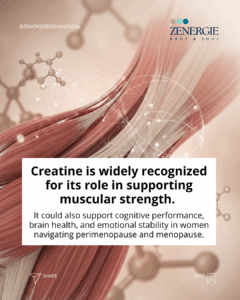
While creatine is widely known for its role in supporting muscular strength, emerging studies suggest it may also play a key role in cognitive performance, brain energy metabolism, and emotional balance, particularly during menopause.
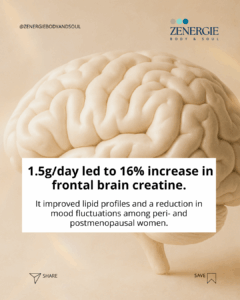
A recent study showed that just 1.5g of creatine per day led to a 16% increase in frontal brain creatine in peri- and postmenopausal women.
This was associated with improvements in lipid metabolism and a reduction in mood fluctuations.
But why does this matter?
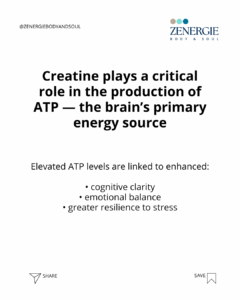
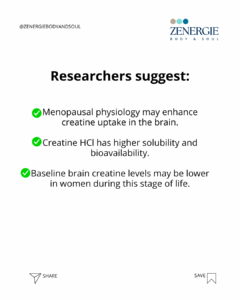
During menopause, hormonal changes can reduce baseline levels of brain creatine and impact mitochondrial energy production. Creatine plays a central role in ATP synthesis — the brain’s primary energy source. Higher ATP availability is linked to mental clarity, resilience to stress, and emotional stability.
Despite these promising findings, research is still in early stages.
But the preliminary evidence suggests that creatine may become a valuable, and underused, ally for supporting women’s health and quality of life during midlife transitions.
*As always, consult your doctor or specialist before starting any supplement routine.