Zenergie Körper und Geist

Blog

Blog.

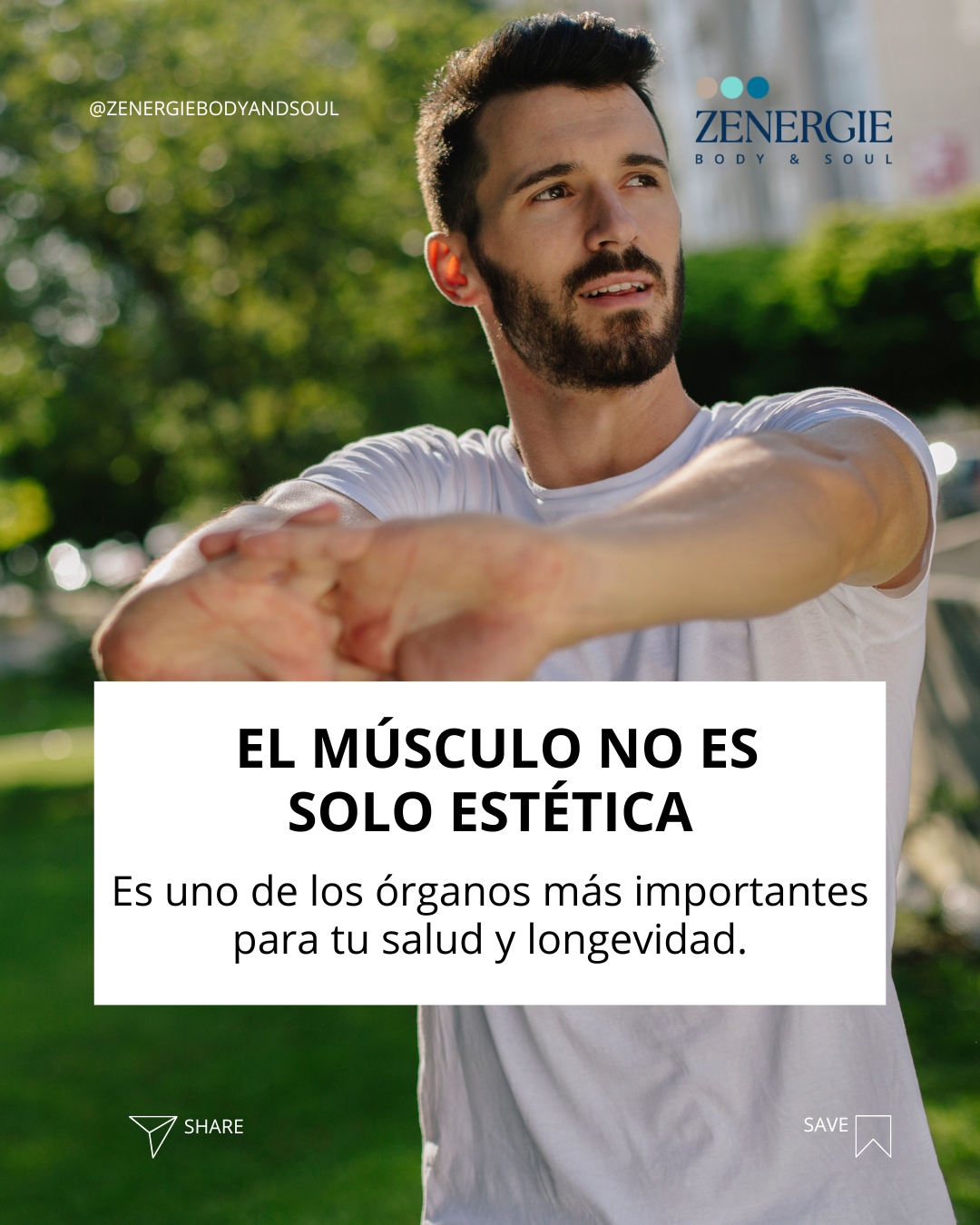
Muskeln mehr als nur Ästhetik: Ein wichtiges Organ für Gesundheit und Langlebigkeit

Muscle is often associated with physical appearance, athletic performance or strength. However, its role in the body goes far beyond how we look. Muscle is active tissue that influences metabolism, inflammation, brain function, immune response and the way the body manages energy. Preserving muscle is therefore not simply a fitness objective; it is an essential part of protecting long-term health and quality of life.

Muscle can act as an endocrine organ. When it contracts during physical activity, it produces substances known as myokines, which send signals to other tissues and help regulate important processes throughout the body. These signals are involved in metabolic health, inflammatory responses, brain function and immune regulation. This means that every time we move and challenge our muscles, we are supporting systems that affect the whole body.

One of muscle’s most important functions is its relationship with glucose. Muscle tissue is one of the main places where circulating glucose is used. Maintaining adequate muscle mass can support insulin sensitivity, help regulate blood sugar levels and contribute to more stable energy throughout the day. For this reason, preserving muscle is particularly relevant to metabolic health and may form part of a broader strategy to reduce the risk of conditions such as type 2 diabetes.

The benefits also extend to everyday physical capacity. Muscle supports posture, movement, balance and joint stability. It allows us to climb stairs, carry objects, stand up comfortably and remain independent. As muscle mass and strength decline, these tasks can become more demanding, often reducing confidence and activity levels. This can create a negative cycle in which less movement leads to further physical decline.

Building and preserving muscle does not require extreme training. Consistent strength work two or three times per week can provide an effective foundation when adapted to the individual’s experience and ability. Daily movement, sufficient protein, quality sleep and adequate recovery are also important parts of the process. The objective is not to train as hard as possible, but to create habits that can be maintained over time.

Protein helps provide the building blocks required to repair and preserve muscle tissue, while rest allows the body to adapt to training. Regular activity outside structured sessions also matters. Walking, taking the stairs and staying physically engaged throughout the day reinforce the message that the body still needs its strength and mobility.

The value of muscle becomes even clearer as we age. Preserving it supports metabolic health, physical resilience and independence. It creates a reserve that may help the body respond better during periods of illness, injury or inactivity. Strength is therefore not only useful in the present; it is an investment in future capability.

Muscle should not be treated as a cosmetic extra. It is part of the body’s health infrastructure. Building it supports the ability to move, regulate energy, remain independent and continue participating fully in life.

The goal is not simply to look stronger. It is to live longer and live better.

Schriftrolle