Your Brain Needs Movement: How Exercise Protects Cognitive Health
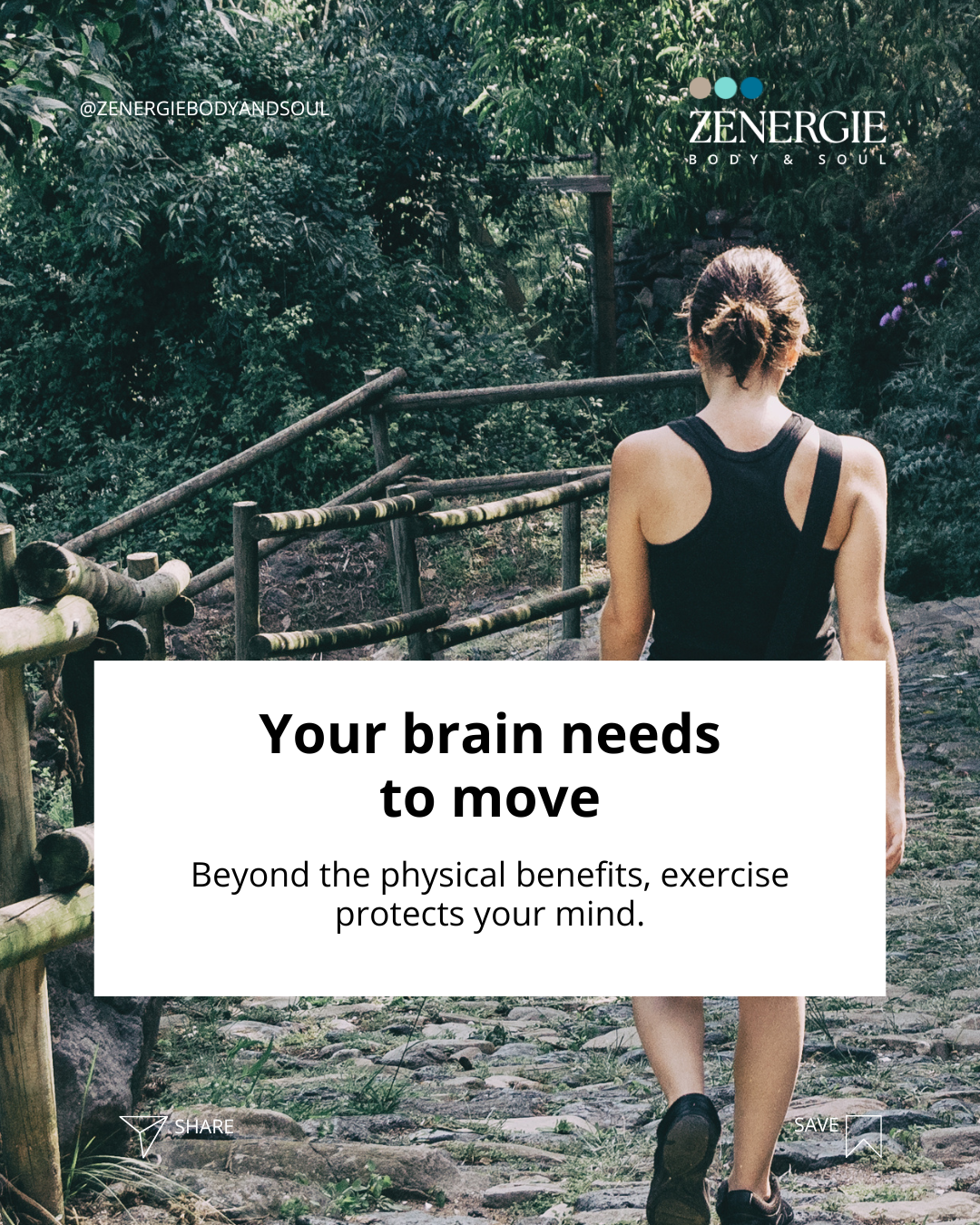
Exercise is often associated with stronger muscles, improved mobility and better physical fitness. However, its benefits extend far beyond the body. Regular movement also supports the brain and may help protect cognitive health over time.
Staying active is an investment in mental clarity, energy and long-term quality of life.
Exercise and the Risk of Cognitive Decline
An active lifestyle can contribute to healthier brain aging. Physical activity supports processes linked to memory, concentration and learning, while inactivity may increase the risk of cognitive decline.
The goal is not to follow an extreme training programme. Consistent, accessible movement can already make a meaningful difference.
How Movement Supports the Brain
Regular exercise improves blood flow to the brain, helping deliver oxygen and nutrients more efficiently.
It can also stimulate the formation of new neural connections, reduce inflammation and increase levels of BDNF, a protein involved in the growth and maintenance of brain cells.
Together, these processes help the brain remain more adaptable and resilient throughout life.
Simple Ways to Stay Active
Protecting your cognitive health does not require complicated routines.
Aim to walk for around 30 minutes each day. Include strength training two or three times a week, adapting the exercises to your fitness level. Mobility work, gentle stretching and breathing exercises can also support physical and mental well-being.
Consistency matters more than intensity. A manageable routine practised regularly is more valuable than occasional, exhausting workouts.
Start with Ten Minutes
The best routine is one you can maintain. Begin with ten minutes of movement and gradually increase the duration as it becomes part of your daily life.
A short walk, a few strength exercises or a simple mobility session can be enough to take the first step.
Moving your body activates processes that support cognitive health and strengthen the mind over time. Exercise is not only about how you feel today—it is an investment in your future well-being.