The Next Big Fitness Trend Is Longevity
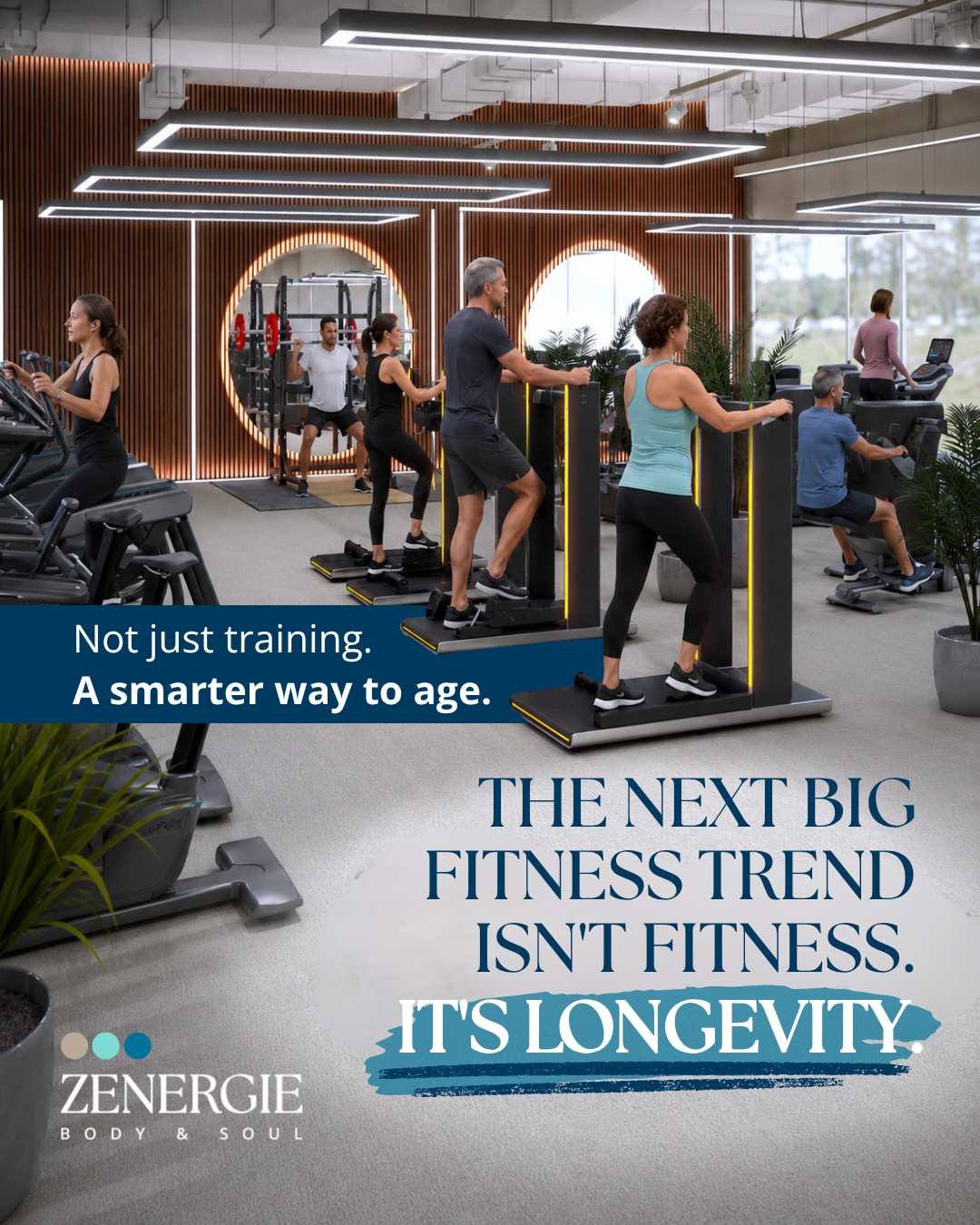
Ten years ago, many people joined gyms primarily to change how they looked. Today, a growing number are training to change how they age. The conversation has moved from aesthetics to health, from short-term performance to prevention, and from simply extending lifespan to protecting healthspan: the years we can live with strength, mobility, energy and independence.
This change reflects a much broader demographic and cultural transformation. Populations are ageing, consumers are becoming more proactive about their health, and exercise is increasingly understood as an investment in future quality of life. People are no longer satisfied with fitness solutions focused only on weight loss, appearance or extreme performance. They want programmes that help them remain capable, resilient and active throughout every stage of life.
From Looking Better to Living Better
Traditional fitness has often been built around visible results. Progress was measured through body weight, muscle definition or athletic achievement. These goals still matter to some consumers, but they no longer represent the full potential of the sector.
More people are now asking practical, long-term questions. Will I still be able to climb stairs comfortably in twenty years? Can I preserve enough strength to remain independent? How can I protect my mobility, energy and mental well-being as I age?
These priorities are redefining what fitness is for. Training is becoming less about preparing for a particular season and more about preparing for the decades ahead. Strength work protects muscle and physical capacity. Mobility supports confident movement. Cardiovascular activity contributes to endurance and metabolic health, while recovery and mindfulness help create the balance required for consistency.
Healthspan Is Becoming the New Measure of Success
Living longer is valuable, but the quality of those additional years matters just as much. Healthspan focuses on maintaining the physical and mental resources needed to continue participating fully in life.
For consumers, this means exercise is no longer just a recreational activity. It is part of a preventive health strategy. A well-designed programme can help preserve muscle, protect joints, improve balance and support the ability to complete everyday tasks without assistance.
This broader objective also makes fitness relevant to a much larger audience. People who may never identify with conventional gym culture can still recognise the value of remaining strong, mobile and independent. The opportunity is no longer limited to attracting people who already enjoy training. It is about creating solutions for anyone who wants to age better.
Why the Traditional Gym Model Must Evolve
Many gyms still operate through a model centred on access, equipment and standardised routines. Members are often expected to know where to begin, how to use the machines and how to progress safely.
That approach works for experienced users, but it can create uncertainty and intimidation for the wider population. Adults focused on longevity are often looking for greater structure, personalisation and professional guidance. They want to understand why they are training and how each part of the programme supports their future health.
The next generation of fitness environments will therefore need to provide more than equipment. They will combine intelligent technology, tailored programming and human support. The aim will not be to make every session more extreme, but to make every session more relevant.
Strength Is the Foundation of Active Longevity
Muscle is one of the body’s most important resources for healthy ageing. It supports movement, metabolism, balance, joint stability and physical independence. Without regular resistance training, muscle mass and strength may gradually decline over time, making everyday activities increasingly demanding.
A longevity-focused model places strength training at the centre of the experience, but presents it in a more accessible way. Members do not need to be athletes or lift extreme weights. Training can be adapted to individual ability and progressed gradually.
The objective is to build enough strength for life: carrying shopping, travelling, climbing stairs, recovering from illness and remaining confident in everyday movement.
Community and Support Matter
Long-term health is not built through exercise alone. People are more likely to remain consistent when they feel supported, recognised and connected to others.
A strong community creates motivation without comparison. It gives members a reason to return and helps turn training into a positive part of their routine. This is particularly important for adults who may have felt excluded or uncomfortable in traditional gym environments.
The future of wellness will therefore combine individual progress with shared experience. Members will receive personalised guidance while still benefiting from the encouragement and belonging that come from being part of a community.
A Smarter Way to Age
The next major fitness trend is not another class format, piece of equipment or temporary training method. It is a more intelligent approach to ageing.
Consumers want to know that the time and effort they invest today will improve how they live tomorrow. They want greater strength, better mobility, more energy and the confidence to remain active.
This requires fitness businesses to move beyond short-term transformation and position themselves as long-term health partners. Training must become personalised, purposeful and sustainable. Progress should be measured not only by how someone looks, but by how well they move, feel and function.
The Opportunity for the Wellness Industry
This shift creates one of the most significant opportunities in the future wellness economy. Demand for longevity, prevention and active ageing is growing, while relatively few concepts are fully designed around these priorities.
The businesses that adapt early can establish themselves as leaders in a category with long-term demographic support. They can reach consumers who are not served by conventional gyms and build deeper relationships based on meaningful health outcomes.
This is not a passing fitness trend. It is a structural transformation in what people expect from wellness.
The future does not belong to businesses that simply help people train more. It belongs to those that help people train smarter, remain capable and live better for longer.
The next big fitness trend is not fitness.
It is longevity.