The Untapped Fitness Market: Why Most People Still Do Not Go to the Gym
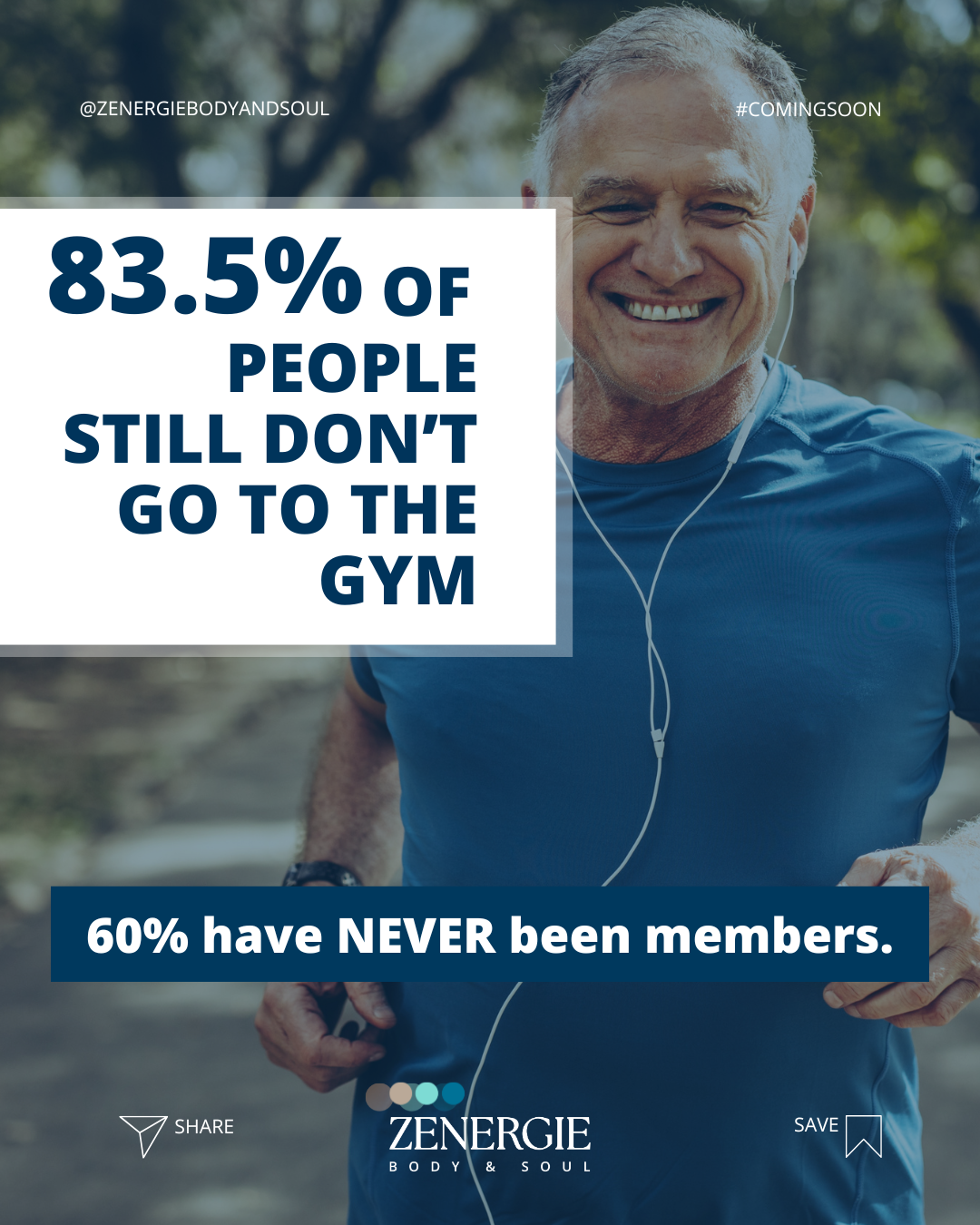
The fitness industry often measures success by the number of memberships sold, facilities opened and people already committed to regular exercise.
But the most important market opportunity may not be inside the gym.
It may be outside it.
A large majority of people still do not attend a fitness facility, and many have never held a gym membership at all. This is not necessarily because they do not care about their health. In many cases, they simply do not connect with the experience, values or communication of the traditional fitness model.
While established gyms continue competing for the same young and already active audience, millions of adults remain underserved.
They are interested in longevity, prevention, strength, mental well-being and a better quality of life. What they have not found is an environment that feels designed for them.
That gap represents one of the most significant opportunities in the future of fitness.
The Industry Keeps Competing for the Same Audience
Much of the traditional fitness market continues to focus on people who are already familiar with exercise.
Marketing frequently centres on athletic bodies, high-intensity training, physical transformation and visible performance. Facilities are designed for confident users who understand the equipment, know how to structure a workout and feel comfortable in conventional gym environments.
This audience remains valuable, but it is also heavily contested.
Low-cost gyms, premium clubs, boutique studios and digital platforms often compete for the same relatively small group of consumers. They offer different prices and experiences, but many still speak to people who already identify with fitness culture.
Meanwhile, the wider population remains largely untouched.
These are people who may want to improve their health but do not see themselves reflected in traditional gym advertising. They may feel uncomfortable, inexperienced or unsure about where to begin.
The fitness industry has spent years competing for existing members while paying far less attention to the people who have never become members.
Not Going to the Gym Does Not Mean Rejecting Health
One of the biggest mistakes the industry can make is assuming that non-members are uninterested in well-being.
Many people who do not attend gyms still care deeply about their health.
They want more energy. They want to move without pain, remain independent and protect themselves from future health problems. They want to manage stress, sleep better and feel stronger in everyday life.
What they may reject is not exercise itself, but the way exercise has traditionally been presented.
They may not want an intimidating environment. They may not feel motivated by aesthetics. They may not be interested in competing with others or following extreme routines.
Their goals are often practical and deeply personal.
They want to carry their shopping comfortably, play with their children or grandchildren, travel, climb stairs and continue enjoying the activities that give their lives meaning.
This audience is not absent because the demand does not exist.
It is absent because the offer has not yet fully evolved.
The Barriers Are Often Emotional, Not Only Practical
Price, location and time are common barriers to gym participation, but they are not the only ones.
Emotional barriers can be equally important.
A person who has never trained may worry about looking inexperienced. Someone returning after a long break may feel uncomfortable with their current fitness level. Older adults may believe that the environment was created for younger people.
Others may have had negative experiences in the past.
They may have joined a gym, received little guidance and stopped attending after a few weeks. They may have felt anonymous, unsupported or unsure whether they were exercising correctly.
These experiences create distance.
When people associate gyms with discomfort, judgment or confusion, purchasing a membership becomes unlikely, even when they genuinely want to improve their health.
The next generation of fitness businesses must therefore remove emotional friction as carefully as they remove practical barriers.
Why Traditional Memberships Frequently Fail
Many gym memberships provide access but very little direction.
A member enters a facility filled with equipment, but may not know what to do, how hard to train or how to progress safely.
For experienced users, this freedom can be an advantage. For beginners, it can become overwhelming.
Without structure, people repeat familiar exercises, avoid areas they do not understand or lose confidence when they do not see results.
The problem becomes even greater when no one notices whether they attend.
A person can disappear from a large gym without receiving a message, conversation or question. Their absence has no social consequence, and the habit is easily lost.
This model is built around access rather than engagement.
Future-focused fitness concepts need to provide guidance, progression and connection. The objective should not only be to attract members, but to help them remain active consistently.
Fitness Marketing Has Become Too Narrow
For years, fitness communication has prioritised visible transformation.
Before-and-after images, weight-loss promises and high-performance messages have shaped the public perception of what a gym is for.
This communication can motivate some people, but it can also exclude those who do not identify with those goals.
A person focused on reducing pain, protecting mobility or preserving independence may not respond to messages about physical perfection. Someone dealing with stress may value mental balance more than appearance.
The sector needs a broader definition of progress.
Progress can mean having more energy.
It can mean standing up more easily, walking farther, improving balance or feeling confident enough to exercise regularly.
It can mean reducing isolation by becoming part of a supportive community.
When fitness is communicated through these outcomes, the industry becomes relevant to a much wider population.
The Real Opportunity Is Longevity
The most important shift taking place in fitness is the movement from short-term performance toward long-term health.
People are increasingly thinking about longevity, but not only in terms of living more years.
They are interested in healthspan: the number of years they can live with strength, mobility, clarity and independence.
This changes the purpose of exercise.
Training is no longer only a tool for changing appearance. It becomes part of a preventive health strategy.
Strength training helps preserve muscle and physical capacity. Mobility work supports comfortable movement. Cardiovascular activity contributes to endurance and metabolic health.
Mindfulness and recovery support mental well-being, while community provides motivation and belonging.
Together, these elements create a more complete response to what people increasingly need.
Prevention Is Becoming a Consumer Priority
Healthcare has traditionally focused heavily on treating problems after they appear.
Consumers are now becoming more proactive.
They want to reduce future risks and protect their quality of life before significant limitations develop. This is increasing interest in movement, nutrition, recovery and stress management.
Fitness businesses are well positioned to support this shift, but only when their programmes are designed around prevention rather than short-term intensity.
A preventive approach asks different questions.
How can this person preserve muscle over the next decade?
How can training improve their balance and mobility?
How can the programme be adapted so that it remains sustainable?
How can the environment help them return consistently?
These questions create a fundamentally different experience from a standard membership based solely on facility access.
Well-Being Is More Than Physical Exercise
Modern consumers increasingly understand that physical and mental health are connected.
Stress affects sleep, energy and recovery. Social isolation can influence motivation and emotional health. Poor mobility can reduce participation in meaningful activities.
A fitness model focused only on exercise misses part of the picture.
The strongest future concepts will integrate physical training with mental well-being, recovery and social connection.
This does not mean that every gym must become a medical centre or wellness retreat.
It means recognising that people arrive as whole individuals.
They have fears, responsibilities, limitations and personal motivations. A successful experience responds to all of these factors rather than focusing only on the workout itself.
Why Older Adults Remain Underserved
The ageing population represents one of the clearest opportunities within fitness.
People are living longer and want to remain active for more of those years. Yet many traditional gyms are still designed and marketed primarily around younger audiences.
Older adults may need more guidance, personalisation and confidence when beginning a programme. They may also have different priorities.
They are often less interested in extreme performance and more focused on strength, balance, mobility and independence.
They want to know that the exercises are appropriate, that someone is paying attention and that progress will happen at a safe pace.
This audience is not looking for an easier version of conventional fitness.
It is looking for a more intelligent and relevant experience.
The Importance of Strength for Longevity
Muscle plays a central role in healthy ageing.
It supports metabolism, joints, balance and the ability to perform everyday tasks. Preserving strength can help people maintain independence and remain active throughout life.
Yet many adults do not understand how important muscle becomes as they age.
They may associate strength training with bodybuilding or athletic competition rather than long-term health.
A longevity-focused model changes that perception.
It presents strength as a practical resource.
Being strong means carrying bags, climbing stairs, recovering after illness and continuing to participate in daily life.
When people understand this connection, exercise becomes more meaningful.
They are no longer training only for what they see in the mirror. They are training for the life they want to continue living.
A More Personalised Experience
The underserved market needs more than generic programmes.
People require training that reflects their starting point, physical condition and personal goals.
Personalisation does not necessarily mean expensive one-to-one coaching for every session.
Small-group training, structured assessments and attentive professionals can create an experience that feels individual while remaining scalable.
The trainer can adapt exercises, correct technique and monitor progress. The participant receives support without losing the motivation and social energy of a group.
This approach makes exercise more accessible and less intimidating.
It also creates trust.
People are more willing to continue when they believe the programme understands them.
Community Changes Retention
A strong community can turn fitness from an obligation into a meaningful routine.
When people know their trainer and recognise the other participants, attendance becomes socially connected.
They are expected. Their progress is noticed. Their absence matters.
This sense of accountability can be more powerful than motivation alone.
Community also reduces intimidation.
Entering a space where people are welcoming and supportive feels very different from walking into a crowded facility where everyone appears focused only on themselves.
For people who have never been gym members, this distinction can determine whether they begin at all.
Belonging is not a decorative addition to the fitness experience.
It is a fundamental driver of long-term engagement.
The Opportunity Is Larger Than the Existing Market
Traditional fitness businesses often calculate their market based on current gym users.
But the larger opportunity lies among people who are not currently participating.
This includes adults who have never joined a gym, former members who abandoned the experience and people who rely only on occasional or informal activity.
Serving this population requires a different strategy.
The message must feel relevant. The environment must feel safe. The programme must provide guidance, and the value must extend beyond access to equipment.
The businesses that solve these challenges can expand the fitness market rather than merely competing for existing members.
That is a much more powerful growth opportunity.
From Gym Membership to Health Partnership
The relationship between a fitness business and its members is changing.
The old model sold access.
The new model must offer partnership.
People want to know what to do, why it matters and how their programme supports their long-term goals. They expect feedback and progress that can be understood.
This creates a deeper relationship between the member and the brand.
The business is no longer simply a place where someone exercises.
It becomes part of their strategy for maintaining health and quality of life.
That relationship can create stronger loyalty, better retention and a more meaningful customer experience.
Zenergie Body & Soul and the Longevity Wellness Revolution
Zenergie Body & Soul was created for the audience that traditional fitness continues to overlook.
Its model is built around longevity, prevention and well-being rather than appearance or intimidation.
Strength supports independence. Mindfulness encourages balance and recovery. Intelligent training creates structure and personalisation.
Community gives people a reason to return.
Together, these elements create an environment designed for adults who want to invest in their health but do not identify with the conventional gym experience.
Zenergie does not compete only for people who already love gyms.
It creates a relevant alternative for those who have never felt that fitness was meant for them.
A New Category of Fitness Business
The future of the sector will not be defined only by bigger facilities, lower prices or more equipment.
It will be defined by new categories built around specific human needs.
Longevity-focused wellness is one of those categories.
It sits between traditional fitness, preventive health and community-based well-being. It responds to demographic change while also reflecting new consumer priorities.
This positioning creates both commercial and social value.
Commercially, it serves a large and expanding audience.
Socially, it helps more people access the physical, mental and emotional benefits of regular movement.
That combination creates a business with long-term relevance.
Why the Market Is Ready
Several structural forces are converging.
Populations are ageing. Consumers are prioritising prevention. Mental well-being has become part of mainstream health. Personalisation is increasingly expected, and people are seeking stronger community connections.
These changes are not likely to reverse.
They will continue shaping demand over the coming decades.
At the same time, the current fitness market remains highly fragmented and concentrated around traditional models.
This creates space for a differentiated network capable of becoming strongly associated with longevity and inclusive wellness.
The opportunity exists because the demand is growing faster than the supply of truly specialised concepts.
The Advantage of Moving Early
Emerging categories reward early positioning.
Once a market becomes crowded, brands must spend more to differentiate themselves and compete for territory.
Before that happens, early operators can build recognition, local community and credibility.
They can become the reference point within their region.
This is especially valuable in longevity wellness, where trust and reputation matter deeply.
People are not simply purchasing access to exercise. They are choosing a partner for their long-term health.
The businesses that establish this relationship early can develop significant competitive advantages.
A Franchise Model Designed for Expansion
A scalable model allows the longevity opportunity to move beyond individual studios.
With a clear brand, structured methodology and consistent member experience, the concept can be reproduced across different territories.
This is important because the underlying demand is not limited to one city or demographic group.
The need for prevention, strength and community is widespread.
A franchise-ready structure allows local entrepreneurs to respond to that need while benefiting from a shared brand and proven operating framework.
It combines local leadership with the strength of a wider network.
Business Growth with Meaningful Impact
The best business opportunities solve real problems.
A model that helps previously inactive people become stronger and more engaged creates clear social value.
It may help adults preserve independence, reduce isolation and improve confidence. It can make preventive movement more accessible to people who have felt excluded from traditional gyms.
At the same time, this impact supports the commercial model.
When members feel understood and experience meaningful benefits, they are more likely to remain engaged and recommend the service to others.
Purpose and profitability do not need to compete.
When the business responds to a genuine long-term need, they can strengthen one another.
The Future of Fitness Is Outside the Traditional Gym Audience
The fitness sector has already developed many ways to serve committed exercisers.
The next stage of growth will come from serving everyone else.
It will come from people who want health without intimidation, guidance without judgment and community without competition.
It will come from adults who are thinking about the next twenty years rather than the next eight weeks.
It will come from those who have never been members because the existing options did not feel relevant.
This is the real opportunity.
The Longevity Wellness Revolution Has Already Begun
The market is not waiting for traditional fitness businesses to change.
Consumer expectations are already moving.
People are looking for strength, prevention, well-being and connection. They want experiences that help them live better for longer.
The question is no longer whether the fitness industry will evolve.
The question is which brands will recognise the underserved majority and build the models capable of serving them.
The next leaders will not only win members from competing gyms.
They will introduce entirely new audiences to fitness.
That is the scale of the opportunity.
And that is the beginning of the longevity wellness revolution.