Muscle Is Not About Aesthetics: It Is About Longevity
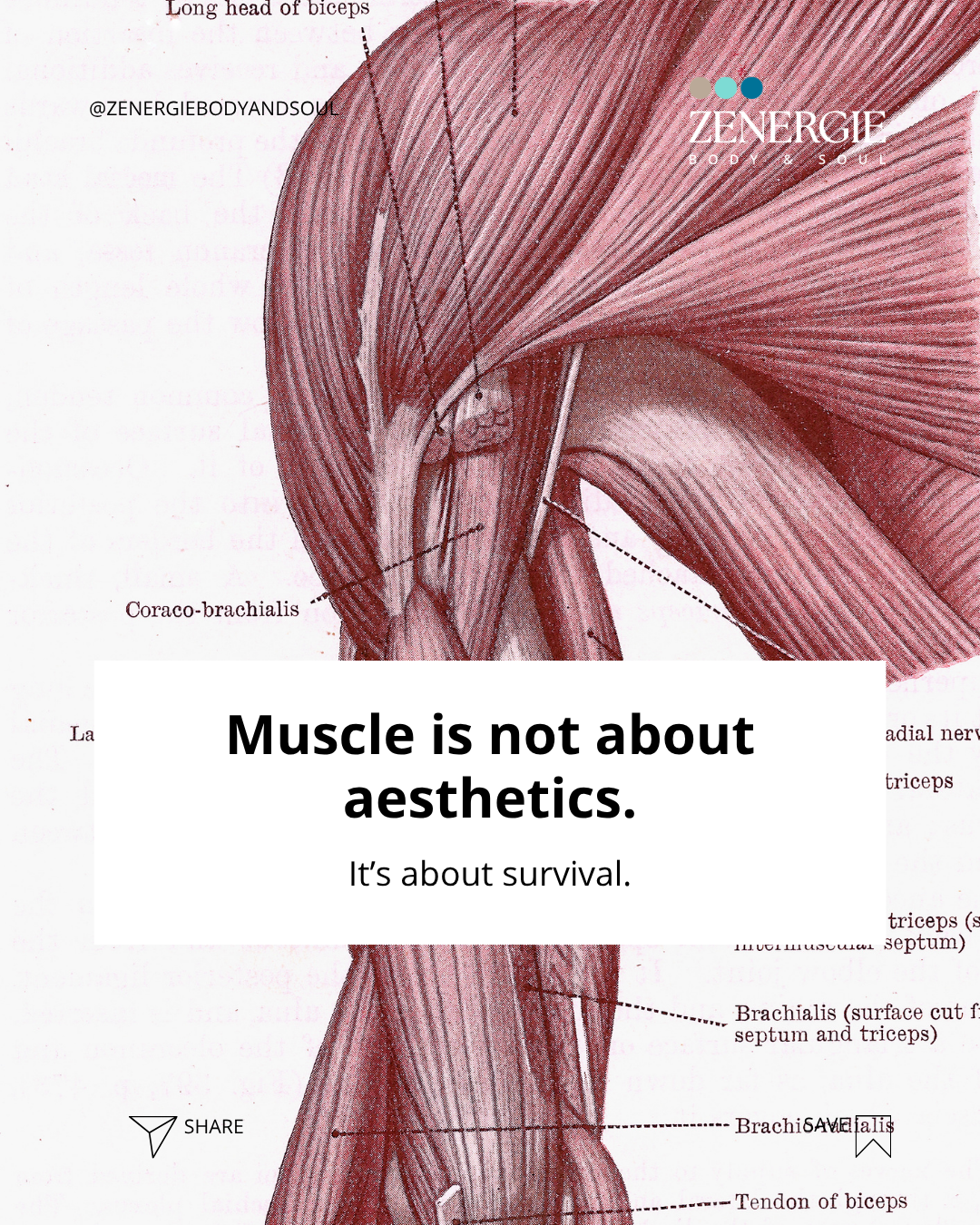
Muscle is often discussed in terms of appearance, athletic performance or physical strength. But its true importance goes much further.
Muscle supports metabolism, movement, recovery and independence. Preserving it is one of the most important steps we can take to remain capable and resilient as we age.
Muscle Loss Begins Earlier Than Many People Realise
From around the age of 30, the body naturally begins to lose muscle mass. Without regular strength-based activity, this decline can accelerate over time.
The consequences are not limited to lifting less weight or feeling weaker. Lower muscle mass can affect balance, mobility, metabolic health and the ability to perform everyday tasks independently.
Why Muscle Matters
Low muscle mass is associated with a greater risk of several age-related health problems, including type 2 diabetes, cardiovascular disease, osteoporosis, cognitive decline and frailty.
As strength and mobility decrease, the risk of falls, injury and loss of independence may also increase.
Maintaining muscle is therefore not simply a fitness goal. It is a fundamental part of protecting long-term health and quality of life.
Muscle Is a Metabolically Active Organ
Muscle is not passive tissue. It plays an active role in how the body functions.
Healthy muscle supports blood sugar regulation and insulin sensitivity. It also contributes to inflammation control, hormonal balance, recovery and overall metabolism.
When muscle mass declines, these systems may become less efficient. Building and preserving muscle helps the body remain more adaptable and resilient.
Strength Training and Healthspan
Strength training is one of the most effective ways to preserve muscle and physical capacity throughout life.
It does not have to involve extreme weights or complicated routines. Exercises can be adapted to different ages, abilities and experience levels.
The objective is progressive, consistent movement that challenges the muscles safely. Over time, this can support stronger bones, improved balance, better mobility and greater confidence in daily life.
Strength Means Staying Capable
Muscle is not about looking strong.
It is about being able to carry your shopping, climb stairs, recover from illness, maintain your balance and continue doing the activities that give your life meaning.
Building muscle is an investment in independence. Strength training is not only preparation for today—it is protection for the years ahead.